


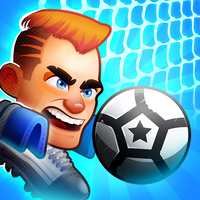



Guide the ball through defenders, traps, ramps, and narrow gaps, then line up the final shot in Soccer Dash.
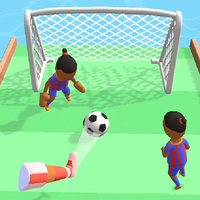
Here's a quick look at the game:
Soccer Dash is a casual 3D soccer game where you control the ball instead of controlling a team or individual player. Each level works like a short precision course: aim your kick, release the ball, avoid hazards, and continue moving toward the goal until you find a safe opening to score.
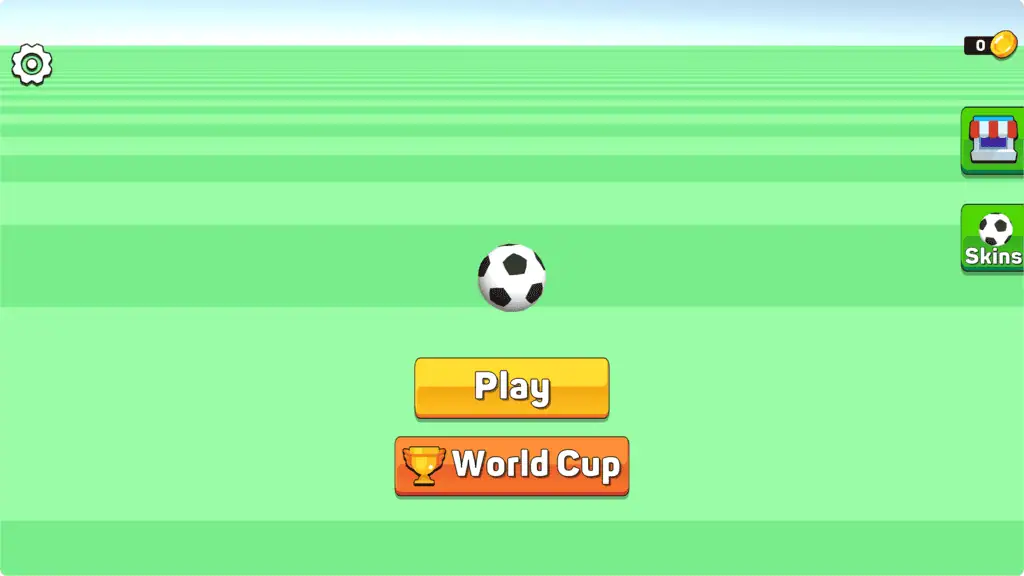
What Is Soccer Dash?
Soccer Dash combines soccer shooting with obstacle-course and mini-golf mechanics. You do not run around a traditional pitch, pass between teammates, or defend your own goal. Your job is to move one soccer ball through a course filled with defenders, mechanical traps, gaps, walls, and other objects.
Every kick is a decision. You must choose a direction that moves the ball closer to the net without sending it into an obstacle or off the playable surface. When you begin aiming, Soccer Dash enters slow motion, giving you time to inspect the course and adjust the shot.
The objective is to reach the opposing goal and score. Later layouts become more complicated, so success depends less on kicking quickly and more on understanding angles, rebounds, moving hazards, and the goalkeeper’s position.
Game Overview
| Feature | Details |
|---|---|
| Genre | Casual soccer, physics, and obstacle game |
| Developer | Mirra Games |
| Original release | February 2023 |
| Technology | HTML5 |
| Platforms | Desktop, mobile, and tablet browsers |
| Main objective | Guide the ball through the course and score a goal |
| Main mechanic | Drag to aim and release to kick |
| Special feature | Slow-motion aiming |
| Perspective | You control the soccer ball |
| Orientation | Portrait support is available |
How to Play Soccer Dash
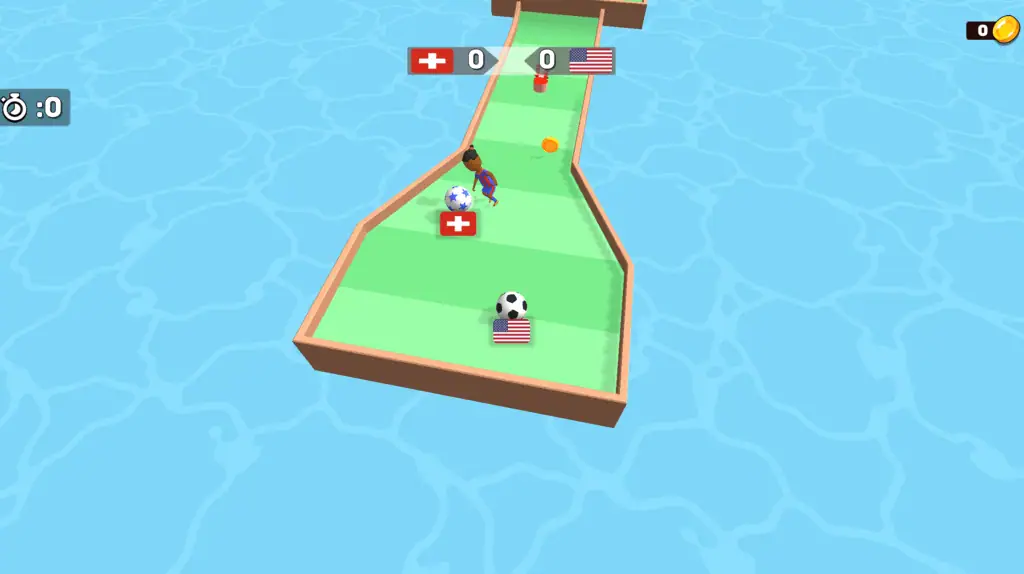
A Soccer Dash level begins with the ball positioned at the start of a narrow course. The goal is located farther ahead, but the path between the ball and the net is rarely clear.
Press and drag to create an aiming arrow. Move the pointer or your finger until the arrow faces the direction you want the ball to travel. The slow-motion effect gives you time to judge the angle before you commit.
Release the button or lift your finger to kick. The ball rolls or launches forward, depending on the distance, direction, and layout. Once it stops in a safe position, prepare the next kick.
Continue taking controlled shots until you reach the goal area. Avoid defenders and hazards along the way, then wait for a useful opening before shooting past the goalkeeper.
Plan One Kick at a Time
Soccer Dash is not about crossing an entire course with one powerful shot. Many levels are easier when you divide the route into several safe moves.
Look for open sections where the ball can stop without touching a trap. A short setup kick may leave you in a much better position for the following shot.
Before releasing, consider where the ball will finish rather than only where it will travel first. A kick that clears one defender can still place the ball directly in front of another hazard.
Use Slow Motion to Read the Course
Slow motion is one of the most important Soccer Dash mechanics. It reduces the pressure to react instantly and turns each move into a small trajectory puzzle.
While aiming, inspect moving obstacles and watch their patterns. Rotating blades, paddles, and other traps may leave a safe gap at regular intervals. Aim first, wait for the opening, and release when the route becomes clear.
Slow motion also helps you make small corrections. A slight change in angle can determine whether the ball passes beside a defender or collides with one.
Reach the Goal Safely
Getting close to the net does not guarantee a goal. You may still need to avoid the goalkeeper or approach from a better angle.
Do not automatically shoot as soon as the net appears. Watch the goalkeeper’s movement and identify which side is open. A controlled diagonal shot is often safer than kicking directly toward the center.
In Soccer Dash, patience near the goal is just as important as avoiding obstacles earlier in the level.
Courses and Obstacles
Soccer Dash courses use different objects to change the ball’s direction, block direct shots, or punish inaccurate kicks.
Defenders
Soccer players stand or move around the course to obstruct the ball. Treat them like solid barriers and aim through the space beside them.
When two defenders create a narrow opening, avoid forcing a high-risk shot unless the ball has a clear line through the gap. Moving to one side first can create a wider angle.
Rotating and Sliding Traps
Some courses contain rotating discs, moving paddles, or similar mechanical hazards. Contact can stop the attempt or destroy the ball, so timing matters.
Watch the complete movement cycle before kicking. The safest route may appear only briefly, but slow motion gives you enough time to prepare.
Water Gaps
Water or empty gaps separate parts of certain courses. The ball must land on a safe platform instead of falling between sections.
Use moderate power near gaps. A weak kick may fall short, while excessive power can send the ball beyond the landing area.
Fans
Large fans can push the ball away from its original path. Their airflow may be dangerous, but it can also become part of the solution.
When Soccer Dash places a fan near a blocked route, consider whether the moving air is intended to carry the ball toward another platform. Aim with the expected push in mind instead of fighting directly against it.
Walls, Rails, and Ramps
Side rails can keep the ball on the course or help you create bank shots. Ramps can lift or redirect the ball toward sections that are difficult to reach with a straight kick.
A wall is not always an obstacle. In Soccer Dash, bouncing the ball from a rail can help you travel around a defender or enter the goal area from a better direction.
Coins
Some versions of Soccer Dash place collectible coins along the course. You collect a coin by moving the ball through its position.
Do not risk a safe run for every coin. First check whether the collectible is near the natural route. A difficult coin can require a sharper angle and may leave the ball in a dangerous location.
Soccer Dash Game Modes
Available options can vary slightly between hosted versions of Soccer Dash.
Regular Levels
Regular play focuses on completing individual obstacle courses. Some versions organize this mode into 25 levels, with layouts becoming more demanding as you progress.
Early courses introduce basic aiming and defender avoidance. Later stages combine moving traps, gaps, fans, ramps, and more difficult shots on goal.
Tournament Mode
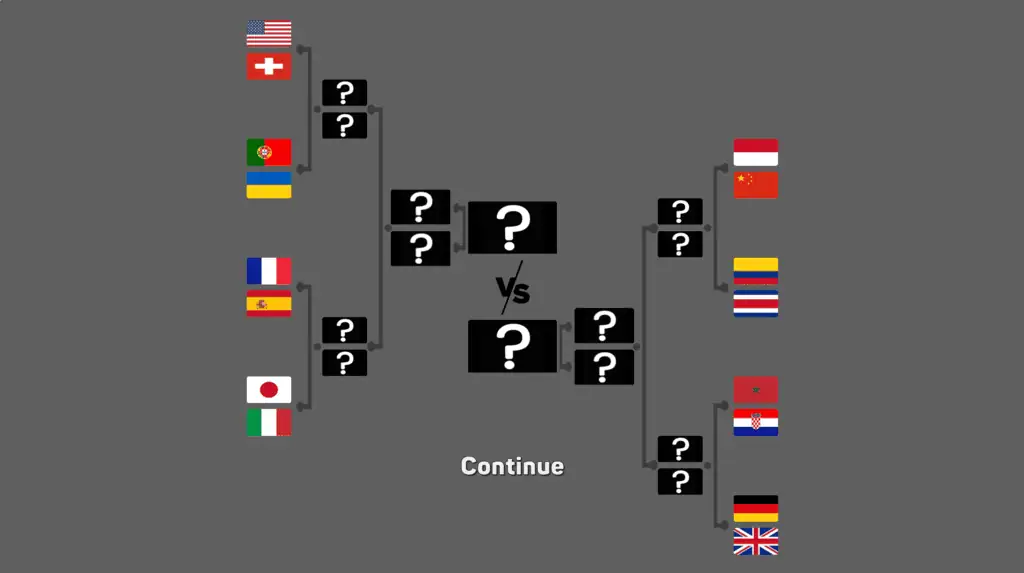
Some versions also include tournament play. This mode lets you represent a country and progress through soccer-style brackets by completing matches or scoring challenges.
Tournament mode still uses the same drag-and-release controls. The difference is the structure around each result, giving successful goals a place within a larger competition.
Controls
Soccer Dash uses a simple one-input control system.
| Action | Desktop Control | Mobile Control |
|---|---|---|
| Start aiming | Hold the left mouse button | Press and hold the screen |
| Change direction | Drag the mouse | Slide your finger |
| Kick the ball | Release the mouse button | Lift your finger |
| Adjust the shot | Move while holding | Slide while pressing |
You do not need movement keys or separate shooting buttons. Every action is handled by aiming and releasing.
The white aiming arrow shows the planned direction. Check the entire line before letting go, especially when the ball is close to the edge of a platform.
Tips for Better Soccer Dash Shots
Avoid Using Maximum Power Automatically
A strong kick covers more distance, but it also gives you less control over the landing position. Use shorter shots when the course contains moving hazards, water, or narrow platforms.
Power is most useful on long, open sections where the ball has room to stop safely.
Aim for Safe Landing Areas
Before every Soccer Dash kick, identify a clear area where the ball can finish. This makes your next move easier and reduces the risk of becoming trapped beside an obstacle.
The best shot is not always the one that travels farthest. A shorter kick into open space can produce a much easier route to the goal.
Watch Moving Hazards Before Releasing
Do not release immediately after choosing an angle. Observe rotating discs and sliding paddles long enough to understand their timing.
Prepare the direction during slow motion, then launch the ball as the hazard moves away from the intended path.
Use Diagonal Routes
Straight lines are easy to understand, but many Soccer Dash courses are designed to block the center. Diagonal kicks can take the ball around defenders and create better scoring angles.
A diagonal approach also makes it easier to shoot past a goalkeeper who is protecting the middle of the net.
Use Rails for Bank Shots
When a direct route is blocked, aim at a side rail and let the ball rebound around the obstacle. Bank shots require practice, but they can solve layouts that appear impossible from the starting position.
Remember that the rebound angle depends on how the ball hits the wall. A shallow approach usually creates a shallow exit, while a sharper impact sends the ball away more dramatically.
Do Not Rush the Final Shot
The goalkeeper may move, fall, or expose one side of the net. Wait until the opening is clear before shooting.
Reaching the goal area with control is more valuable than arriving quickly with the ball against a wall or directly in front of the goalkeeper.
Learn From Failed Attempts
Most Soccer Dash mistakes reveal something useful about the course. A failed shot can show that a gap is too narrow, a platform requires less power, or a trap moves faster than expected.
Change one part of the shot on the next attempt. Small adjustments are usually more effective than choosing a completely different route.
Why Players Keep Playing
Soccer Dash works well for players who enjoy soccer themes but prefer aiming challenges over full matches. Its rules are easy to understand, yet the obstacle layouts create enough variety to make each level feel different.
The slow-motion system makes the game accessible because you are rarely forced to make an instant decision. At the same time, accurate rebounds, hazard timing, and controlled landing positions reward practice.
Levels are also short enough for quick browser sessions. You can complete a course in a few minutes, replay a missed shot, or continue through several Soccer Dash stages without learning a complicated control scheme.
Can You Play Soccer Dash Online?
Soccer Dash can be played online in a web browser. The HTML5 version supports desktop computers as well as compatible phones and tablets.
On desktop, use the left mouse button to aim and kick. On mobile, use the same drag-and-release motion directly on the touchscreen.
No keyboard controls are required. Once Soccer Dash loads, you can begin by pressing the ball, dragging toward the intended path, and releasing to take the first shot.
FAQ
What is Soccer Dash?
Soccer Dash is a physics-based soccer game where you guide the ball through obstacle courses and into the goal.
How do you control the ball?
Hold and drag the left mouse button or touchscreen to aim, then release to kick.
Does Soccer Dash have slow motion?
Yes, the action slows while you aim, giving you time to choose the direction of each kick.
Who created Soccer Dash?
Soccer Dash was developed by Mirra Games.
Can you play Soccer Dash on mobile?
Yes, the browser version supports compatible mobile devices and uses touchscreen drag controls.
Is Soccer Dash multiplayer?
Multiplayer support is not clearly listed, and the main game is presented as a single-player level challenge.
How do you beat difficult levels?
Use short setup shots, study moving hazards, aim for safe landing areas, and wait for a clear opening at the goal.
Is Soccer Dash a traditional soccer match?
No. Soccer Dash focuses on controlling the ball through puzzle-like courses rather than controlling an entire team.